Combining Online and Offline Marketing

Power of Omni-Channel Marketing

It’s hard to believe we’re already well into 2026.

Is that good or bad news for your business?

The last few years have been anything but predictable. Interest rates have shifted, inventory has tightened in many markets, and buyer behavior continues to evolve. While home values in many areas remain strong, national home sales have fluctuated as buyers adjust to affordability changes and economic uncertainty. For real estate professionals, this kind of market movement isn’t necessarily bad news—it often signals opportunity. Markets are cyclical, and when activity slows, the agents who stay visible are the ones who capture the next wave of listings.

That’s where marketing matters.

Are your postcards hitting mailboxes before your competitors? Do potential sellers know your name when they start thinking about listing? Do you have a brochure, introduction piece, or neighborhood campaign that reminds people why they should work with you?

Marketing continues to rank among the top challenges for small business owners across the United States. Many professionals know they should be marketing more consistently, but time, complexity, and uncertainty about where to start often push it to the bottom of the list.

The good news is that marketing today is more accessible than ever. With the right strategy, combining direct mail with digital visibility can keep you in front of your audience without overwhelming your schedule or budget.

A quick conversation with Early Express can help you map out a simple marketing plan tailored to your audience, your market, and your goals—blending both online and offline efforts to build awareness and drive new business.

Don’t wait for the market to move first.

Action drives results. 🚀

Hand writing
By Corey Swann June 9, 2023
Automated Direct Mail Marketing in 2026: How Personalization and Automation Drive Real Results
Targeted Direct Mail Campaigns
By Corey Swann May 9, 2023
Programmatic Direct Mail is a targeted way to take prospects familiar with a brand and turn them into qualified leads and customers. Learn about this great way to get highly targeted customers to convert.
Early Express Direct Mail Campaigns 2023
By Corey Swann March 24, 2023
Direct Mail in 2023 allows for new ways to approach and track successful campaigns. Read the guide to direct mail marketing in 2023 from Early Express here.
Orange mailbox with website address, text
By Mark Grant March 17, 2023
Turn Abandoned Website Visitors into Sales with Programmatic Direct Mail
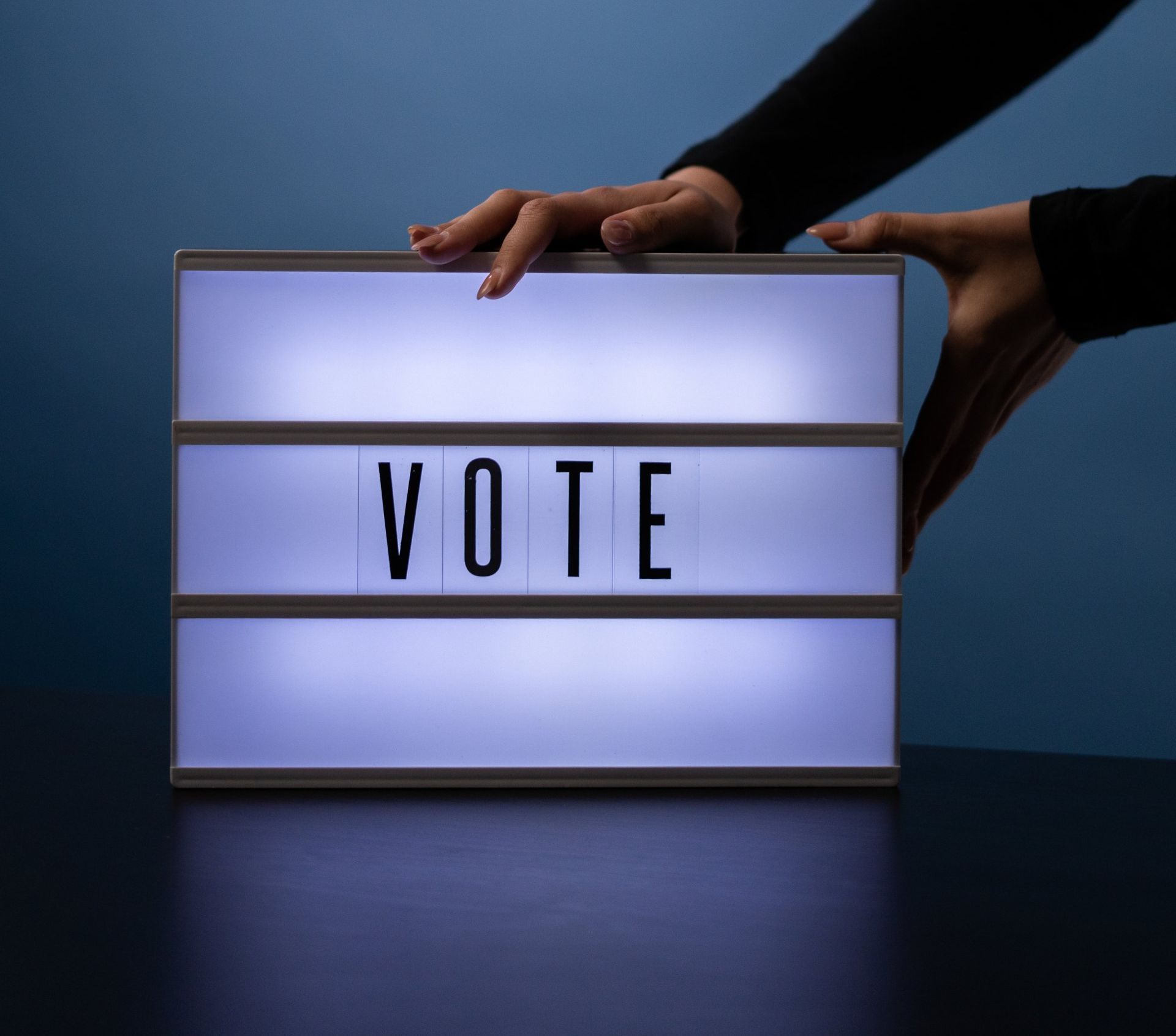
Hands holding a glowing lightbox displaying the word
By Corey Swann March 3, 2023
How Many Times Should Campaigns Reach Voters? Modern Political Advertising Strategies for 2026
Reverse Append IP Targeting
By Mark Grant January 6, 2023
What is reverse append IP targeting? Sending visitors of your website and customers direct mail when you don't have their physical address.
People sorting groceries into a box. One holds an eggplant, the other takes notes.
By Mark Grant June 15, 2021
Outreach and fundraising remain the lifeblood of nonprofit organizations. In 2026, nonprofits face a rapidly evolving landscape where donor expectations, technology, and communication channels continue to shift. While digital marketing plays a critical role, many organizations are rediscovering the power of direct mail to cut through digital noise and connect with supporters in a meaningful way. Despite predictions of its decline, direct mail continues to outperform many marketing channels when it comes to engagement and trust. In fact, modern direct mail—powered by data, personalization, and digital integration—has become one of the most effective tools nonprofits can use to reach donors, inspire action, and build long-term relationships. If your nonprofit is considering adding or expanding direct mail in your outreach strategy, here are four key tips to help you maximize results. 1. Define and Segment Your Audience Successful direct mail campaigns begin with a clear understanding of your audience. Who are you trying to reach? Common nonprofit segments include: Current donors Lapsed donors Volunteers Event attendees Prospective supporters in your community Each group has different motivations and interests, which means your messaging should be tailored accordingly. Modern direct mail campaigns rely heavily on data segmentation. Using targeted mailing lists, nonprofits can segment audiences based on factors such as: Geographic location Donation history Age or household demographics Engagement with past campaigns By sending the right message to the right audience, your organization can significantly improve response rates and donor engagement. 2. Tell a Story That Inspires Action People don’t donate to organizations they donate to stories and impact. Direct mail offers a powerful opportunity to tell compelling stories about the people and communities your nonprofit serves. Instead of focusing solely on statistics or operational details, highlight the real-life impact of your work. Ask yourself: Whose life changed because of your mission? What problem is your organization solving? How can the reader become part of that solution? Use strong visuals, emotional storytelling, and clear messaging to draw readers in. A compelling headline, powerful imagery, and a clear call-to-action can make the difference between a piece of mail that gets discarded and one that inspires a donation. 3. Personalization Builds Stronger Donor Relationships In today’s fundraising environment, personalization is no longer optional it’s expected. Supporters want to feel recognized and valued. Direct mail allows nonprofits to create a more personal connection than many digital channels. Consider incorporating: The recipient’s name in the headline or greeting A thank-you message referencing previous support Suggested donation amounts based on past giving Personalized stories relevant to the donor’s interests Advanced data tools now allow nonprofits to personalize entire mail pieces, from images to messaging. These efforts show donors that their support matters and help strengthen long-term relationships. 4. Integrate Direct Mail with Digital Campaigns The most successful nonprofit campaigns today combine direct mail with digital outreach. Rather than treating them as separate strategies, use them together to reinforce your message and increase engagement. For example, you might: Include a QR code that leads directly to your donation page Send a follow-up email referencing the mail piece Retarget website visitors with social media ads Use personalized URLs (PURLs) to track engagement This integrated approach allows supporters to interact with your campaign in whichever way is most convenient for them whether that’s responding to a mail piece, donating online, or engaging through social media. Why Direct Mail Still Works for Nonprofits In an era where inboxes are crowded and online ads are easily ignored, direct mail offers something unique: a tangible, trusted connection. For nonprofits, that connection can lead to: Higher donor engagement Stronger brand awareness Increased fundraising results Long-term donor loyalty When combined with smart data strategies and digital marketing, direct mail becomes a powerful tool for reaching the right people with the right message at the right time. How Early Express Supports Nonprofit Direct Mail Campaigns Executing an effective direct mail campaign requires the right tools and expertise. Early Express provides nonprofits with a full range of direct mail solutions designed to simplify the process and maximize results. Our services include: Targeted mailing lists Data processing and segmentation Print and mail management Daily mail handling solutions With the right strategy and support, your nonprofit can build stronger connections with donors and expand your outreach.
Man and woman working at a table with a laptop and notebook; orange and blue logo in corner.
By Mark Grant June 8, 2021
Businesses looking to expand their customer reach are increasingly turning to omni-channel marketing strategies. By combining multiple marketing channels into one cohesive experience, companies can engage customers more effectively, increase conversions, and improve long-term retention. In fact, research consistently shows that businesses using omni-channel strategies retain customers significantly better than those relying on single-channel marketing alone. Before deciding whether an omni-channel strategy is right for your business, it’s helpful to understand what omni-channel marketing means in today’s digital landscape. What is Omni-Channel Marketing? Omni-channel marketing is the practice of integrating digital and traditional marketing channels to deliver a consistent and personalized customer experience across every touchpoint. Rather than relying on a single platform—such as email, social media, or direct mail—omni-channel marketing connects multiple channels so customers receive coordinated messaging no matter where they interact with your brand. For example, a customer might: See a social media ad Visit your website Receive a follow-up email or targeted digital ad Later receive a personalized direct mail piece Each interaction reinforces your brand and moves the customer closer to taking action. While omni-channel marketing may sound straightforward, success depends on having a clear strategy. Trying to be everywhere at once without a plan can dilute your messaging and reduce effectiveness. The most successful strategies rely on data and intentional channel selection. Here are three essential tactics to guide your omni-channel marketing strategy in 2026. 1. Know Your Audience Through Data The foundation of any successful omni-channel campaign is understanding your audience. Today’s marketing tools allow businesses to gather insights from multiple sources, including: Website analytics Customer purchase behavior CRM and email data Social media engagement Geographic and demographic data These insights help you determine: Which platforms your customers use most When they are most active What content resonates with them How they prefer to interact with brands Understanding customer behavior is just as important as understanding demographics. Consider questions such as: What problems are they trying to solve? What motivates them to make a purchase? How does your product or service fit into their daily life? When you truly understand your audience, you can tailor both your messaging and your marketing channels to meet customers where they already are. 2. Make It Easy for Customers to Take Action One of the biggest mistakes businesses make is creating unnecessary friction in the buying process. When customers are interested in your product or service, they should be able to move from discovery to purchase as quickly as possible. In 2026, this often means meeting customers directly on the platforms they already use. Examples include: Social media shops that allow purchases directly inside platforms like Instagram or TikTok QR codes that lead customers instantly to landing pages or promotions One-click checkout options from digital ads or email campaigns Mobile-optimized landing pages designed for fast conversions The key is reducing the number of steps customers need to take. The faster someone can move through your marketing funnel, the more likely they are to convert. 3. Combine Digital and Physical Marketing While digital marketing continues to grow, physical marketing still plays a powerful role in building brand recognition and customer trust. One of the biggest advantages of omni-channel marketing is the ability to combine online and offline strategies to reinforce your message. For example: Site Chaser targets people who visit your website and follows up with a personalized direct mail piece within days. This keeps your business top of mind and continues the conversation started online. IP Targeting works in the opposite direction. Businesses can upload their direct mail mailing list and deliver targeted digital ads directly to those households online. This reinforces your message across multiple channels and increases the likelihood of engagement. By connecting physical and digital marketing efforts, businesses can stay visible to potential customers at multiple points throughout their buying journey. Bringing Your Omni-Channel Strategy Together An effective omni-channel marketing strategy doesn’t require being everywhere at once. Instead, it focuses on using the right channels together to deliver a consistent message and seamless customer experience. When done well, omni-channel marketing can: Increase brand visibility Improve customer engagement Drive more qualified leads Strengthen customer retention If your business is looking to build a modern omni-channel marketing strategy, Early Express offers both offline and digital marketing solutions designed to help businesses reach customers wherever they are. Contact Early Express today to learn how we can help you create a marketing strategy that works across every channel.
Black mailbox with red flag up; sunny outdoors.
By Mark Grant June 8, 2021
When it comes to marketing, many businesses immediately turn to digital channels. Email campaigns, social media, video content, and online ads are all powerful tools for reaching customers quickly and efficiently. However, as digital spaces become more crowded, many brands are rediscovering the value of something more traditional: physical mail. Direct mail stands out in today’s digital-first world. A thoughtful piece of mail can cut through the noise, create a memorable experience, and build stronger relationships with your audience. If you’re looking for creative ways to reach customers and elevate your marketing strategy, here are several ways to use snail mail to your advantage in 2026. 1. Create Exclusive Experiences Digital invitations and announcements are easy to send—but they’re also easy to ignore. Sending a physical invitation, announcement, or premium mail piece instantly makes the message feel more important. Consider mailing exclusive invitations for events, product launches, or VIP promotions to key clients, investors, or prospects. A tangible piece in their mailbox signals that they’re part of something special. Not only does this help your brand stand out, but it also builds stronger emotional connections with recipients. 2. Surprise and Delight Your Customers One of the most powerful aspects of physical mail is the element of surprise. Most people expect digital communication from brands, but very few expect a thoughtful piece of mail. Use social media insights or customer data to identify people who might benefit from your product or service. Sending an unexpected sample, handwritten card, or small gift can create a memorable moment. When customers feel genuinely surprised and appreciated, they’re more likely to share the experience online—giving your brand additional organic exposure. 3. Add the Power of Handwritten Mail In an age of automation, handwritten communication stands out more than ever. A handwritten thank-you note, holiday card, or welcome letter shows customers that your business values personal relationships. Handwritten direct mail can help humanize your brand while making recipients feel recognized and appreciated. If writing individual notes isn’t practical for your team, services like Early Express handwritten direct mail offer solutions such as authentic handwritten fonts or pen-to-paper fulfillment that replicate the personal touch at scale. 4. Combine Direct Mail with Digital Marketing Direct mail is powerful on its own, but it becomes even more effective when integrated with digital strategies. Modern direct mail campaigns often include tools like: Personalized URLs (PURLs) QR codes Custom landing pages Digital retargeting campaigns These tools allow recipients to seamlessly move from their mailbox to an online experience, giving businesses measurable data while providing customers with a personalized journey. By combining physical and digital channels, companies can create a stronger omnichannel marketing strategy and significantly improve campaign performance. 5. Strengthen Customer Relationships with Gratitude Sometimes the most powerful message a company can send is simply “thank you.” A handwritten thank-you note shows genuine appreciation and helps build long-term relationships with customers. This is especially effective for small businesses, startups, and service-based companies looking to stand out through exceptional customer care. Adding branded stationery, customized envelopes, or personalized messaging can reinforce your brand identity while leaving a lasting impression. If your business needs professional stationery, Early Express offers a variety of options, including letterhead, envelopes, and custom print materials designed to elevate your brand. Why Direct Mail Still Matters While digital marketing continues to evolve, consumers are experiencing increasing digital fatigue. Direct mail offers a refreshing alternative—one that feels personal, tangible, and memorable. By incorporating physical mail into your marketing strategy, your business can create deeper engagement and connect with customers in ways that digital communication alone often cannot. For businesses looking to elevate their marketing strategy, Early Express offers comprehensive solutions , including: Direct mail services Handwritten mail campaigns Print and design services Omnichannel marketing strategies Our team helps businesses create impactful marketing campaigns that combine creativity, personalization, and measurable results.
Laptop displaying bar and pie charts, data analysis. Tablet on the side.
By Mark Grant June 8, 2021
Every successful business shares the same goal: connecting customers with products and services they truly want. But in today’s crowded marketing landscape, customers can quickly spot generic messaging. When marketing feels impersonal, it often gives the impression that companies are simply trying to sell to anyone who will listen. That’s where personalization makes a difference. Personalized marketing helps businesses create meaningful connections with their audience. And when it comes to marketing channels, direct mail continues to deliver some of the highest response rates and ROI available. When you combine the power of direct mail with personalization, the results can be even more impactful. In fact, studies consistently show that personalized direct mail can significantly increase engagement and response rates, helping businesses stand out in a mailbox that feels more personal than a crowded email inbox. If you're planning a direct mail campaign, here are a few ways to make personalization work for you. Speak Directly to Your Customers One of the simplest and most effective ways to personalize direct mail is by using the recipient’s name. Whether it appears in the greeting, headline, or throughout the message, seeing their name immediately signals that the message is meant for them. But personalization goes beyond just inserting a name. Write your direct mail as if you’re having a conversation with the reader. Use language that feels friendly, relevant, and approachable. When your messaging feels like it’s written for the customer instead of at them, it builds trust and increases the chances they’ll continue reading—and respond. Use Imagery That Reflects Your Audience Visuals play a powerful role in marketing, and they can also support personalization. While your imagery should reflect your brand, it should also represent the audience you're trying to reach. If your target audience includes specific age groups, lifestyles, or family dynamics, your imagery should reflect those characteristics. People naturally connect with marketing that feels relatable. When recipients see visuals that mirror their own experiences or interests, they are far more likely to engage with your message. Personalization Creates Relevance The real value of personalization is relevance. With access to customer data and demographic insights, businesses can create messaging that speaks directly to the interests and needs of specific audiences. Instead of sending the same message to everyone, you can tailor your direct mail based on customer behavior, location, lifestyle, or previous purchases. For example, a local dog grooming business might reference customers’ beloved pets or include messaging tailored specifically to pet owners. These small details make your marketing feel thoughtful and memorable, increasing the likelihood that recipients will pay attention. Leverage Targeted Mailing Lists A successful direct mail campaign starts with reaching the right audience. Targeted mailing lists allow businesses to focus their marketing efforts on the people most likely to respond. By segmenting audiences based on demographics, location, household characteristics, or business type, you can ensure your message reaches the right prospects. Common targeted mailing lists include: B2B Business Lists New Movers Homeowners Renters Current Customers Local Demographic Audiences When your message reaches the right people and is personalized for them you dramatically improve the effectiveness of your campaign. Personalization + Direct Mail = Stronger Results In a digital world filled with ads, emails, and notifications, physical mail stands out . When that mail is personalized, relevant, and visually engaging, it becomes even more powerful. Direct mail gives businesses a unique opportunity to create meaningful, one-to-one marketing experiences that build trust and drive results. Ready to Launch Your Next Direct Mail Campaign? If you're considering direct mail as part of your marketing strategy, Early Express can help you create a campaign that delivers results. Our services include:Targeted mailing lists to reach the right prospects Data processing to keep your customer data clean and accurate Daily mail processing and fulfillment EDDM (Every Door Direct Mail) campaigns for local outreach With the right strategy and the right partner, your direct mail campaign can become one of the most effective tools in your marketing toolkit. Contact Early Express today to start building your next personalized direct mail campaign.