How Many Impressions do Local Politicians Need to Win an Election?

How Many Times Should Campaigns Reach Voters? Modern Political Advertising Strategies for 2026
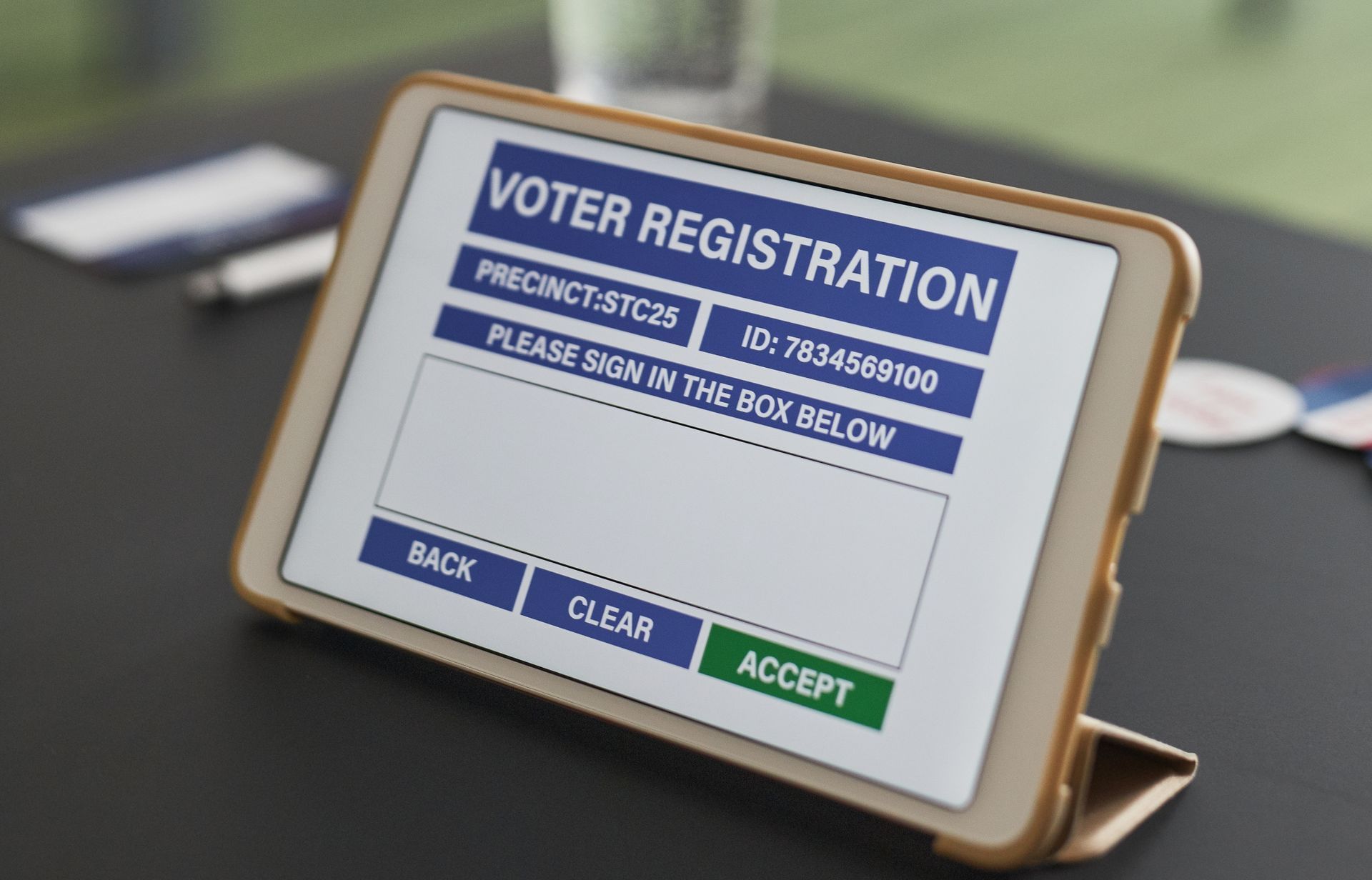
Tablet showing voter registration screen, with a blue header, signature box, and buttons.

Winning a local election isn’t just about having a strong message it’s about making sure voters hear that message enough times for it to stick. One of the most common questions political campaigns ask is:


“How many impressions does it take to influence a voter?”


The answer isn’t always exact, but decades of political campaign experience give us a clear guideline.


The Ideal Number of Voter Impressions


Most campaign strategists agree that voters typically need between 5 and 8 meaningful contacts with a candidate before they fully recognize the name and understand the message.


These impressions can come from multiple sources, including:

  • Direct mail pieces
  • Digital and social media ads
  • Streaming TV or OTT ads
  • Door-to-door canvassing
  • Local events or town halls
  • Yard signs and outdoor advertising
  • Text messages or email outreach


This concept is often referred to as “frequency” in political advertising the number of times a voter sees or hears your message.


In 2026, campaigns that combine multiple communication channels tend to perform far better than those relying on a single tactic.


Why Frequency Matters in Local Elections


Local elections often suffer from lower voter turnout, which means persuasion and turnout operations become even more critical.


Repeated impressions help campaigns:

  • Build name recognition
  • Establish credibility and trust
  • Reinforce the candidate’s key issues
  • Encourage voter turnout on Election Day


A voter who has seen your message multiple times is far more likely to remember you when they enter the voting booth.


The Modern Campaign Playbook (2026)


Today’s successful local campaigns rely on a mix of traditional outreach and modern data-driven advertising.

Effective campaign strategies now include:


Targeted Digital Advertising

Modern voter data allows campaigns to reach specific households and demographics through social media, streaming platforms, and mobile ads.


Direct Mail Campaigns

Direct mail remains one of the most trusted forms of political communication, especially with older voters and high-propensity voters.


Door-to-Door Canvassing

Face-to-face contact continues to be one of the most persuasive forms of voter engagement.


Community Engagement

Town halls, local events, and community meetings help candidates build real relationships with voters.


Streaming TV and Connected TV Ads

More voters now consume television through streaming services, making OTT and connected TV advertising a powerful campaign tool.


The Importance of Data-Driven Targeting


Campaigns in 2026 have access to incredibly detailed voter data, allowing them to:

  • Identify likely supporters
  • Persuade undecided voters
  • Remind supporters to vote
  • Allocate budgets more efficiently


Instead of broadcasting messages to everyone, campaigns can now deliver highly targeted messaging to the voters who matter most.


Winning Elections Requires the Right Strategy


While impressions and outreach frequency are important, they’re only part of the equation. Successful campaigns also need:

  • A clear and compelling message
  • Consistent branding and creative
  • Strategic timing throughout the election cycle
  • Strong turnout efforts leading up to Election Day


The campaigns that combine smart messaging with strategic voter outreach are the ones that consistently win.


Partner With Experts Who Understand Political Advertising


When it comes to targeting voters through direct mail, digital advertising, and strategic creative distribution, Early Express has helped campaigns reach the right voters at the right time.


Our team works with local candidates and organizations to build data-driven advertising campaigns designed to maximize voter impressions and turnout.


If you're planning a campaign and want to ensure your message reaches voters effectively, we’re here to help.

📞 Contact Early Express today at 937-223-5801 to get started with your campaign outreach strategy.

By Jacob Vires April 30, 2026
Understanding Variable Data Printing Technology
By Jacob Vires April 16, 2026
Why Paper Quality Matters More Than You Think
By Jacob Vires April 9, 2026
Understanding How Digital And Offset Printing Technologies Work
By Jacob Vires March 19, 2026
Understanding Your Ideal Customer for Precise Direct Mail Targeting
Hand writing
By Corey Swann June 9, 2023
Automated Direct Mail Marketing in 2026: How Personalization and Automation Drive Real Results
Targeted Direct Mail Campaigns
By Corey Swann May 9, 2023
Programmatic Direct Mail is a targeted way to take prospects familiar with a brand and turn them into qualified leads and customers. Learn about this great way to get highly targeted customers to convert.
Early Express Direct Mail Campaigns 2023
By Corey Swann March 24, 2023
Direct Mail in 2023 allows for new ways to approach and track successful campaigns. Read the guide to direct mail marketing in 2023 from Early Express here.
Orange mailbox with website address, text
By Mark Grant March 17, 2023
Turn Abandoned Website Visitors into Sales with Programmatic Direct Mail
Reverse Append IP Targeting
By Mark Grant January 6, 2023
What is reverse append IP targeting? Sending visitors of your website and customers direct mail when you don't have their physical address.
People sorting groceries into a box. One holds an eggplant, the other takes notes.
By Mark Grant June 15, 2021
Outreach and fundraising remain the lifeblood of nonprofit organizations. In 2026, nonprofits face a rapidly evolving landscape where donor expectations, technology, and communication channels continue to shift. While digital marketing plays a critical role, many organizations are rediscovering the power of direct mail to cut through digital noise and connect with supporters in a meaningful way. Despite predictions of its decline, direct mail continues to outperform many marketing channels when it comes to engagement and trust. In fact, modern direct mail—powered by data, personalization, and digital integration—has become one of the most effective tools nonprofits can use to reach donors, inspire action, and build long-term relationships. If your nonprofit is considering adding or expanding direct mail in your outreach strategy, here are four key tips to help you maximize results. 1. Define and Segment Your Audience Successful direct mail campaigns begin with a clear understanding of your audience. Who are you trying to reach? Common nonprofit segments include: Current donors Lapsed donors Volunteers Event attendees Prospective supporters in your community Each group has different motivations and interests, which means your messaging should be tailored accordingly. Modern direct mail campaigns rely heavily on data segmentation. Using targeted mailing lists, nonprofits can segment audiences based on factors such as: Geographic location Donation history Age or household demographics Engagement with past campaigns By sending the right message to the right audience, your organization can significantly improve response rates and donor engagement. 2. Tell a Story That Inspires Action People don’t donate to organizations they donate to stories and impact. Direct mail offers a powerful opportunity to tell compelling stories about the people and communities your nonprofit serves. Instead of focusing solely on statistics or operational details, highlight the real-life impact of your work. Ask yourself: Whose life changed because of your mission? What problem is your organization solving? How can the reader become part of that solution? Use strong visuals, emotional storytelling, and clear messaging to draw readers in. A compelling headline, powerful imagery, and a clear call-to-action can make the difference between a piece of mail that gets discarded and one that inspires a donation. 3. Personalization Builds Stronger Donor Relationships In today’s fundraising environment, personalization is no longer optional it’s expected. Supporters want to feel recognized and valued. Direct mail allows nonprofits to create a more personal connection than many digital channels. Consider incorporating: The recipient’s name in the headline or greeting A thank-you message referencing previous support Suggested donation amounts based on past giving Personalized stories relevant to the donor’s interests Advanced data tools now allow nonprofits to personalize entire mail pieces, from images to messaging. These efforts show donors that their support matters and help strengthen long-term relationships. 4. Integrate Direct Mail with Digital Campaigns The most successful nonprofit campaigns today combine direct mail with digital outreach. Rather than treating them as separate strategies, use them together to reinforce your message and increase engagement. For example, you might: Include a QR code that leads directly to your donation page Send a follow-up email referencing the mail piece Retarget website visitors with social media ads Use personalized URLs (PURLs) to track engagement This integrated approach allows supporters to interact with your campaign in whichever way is most convenient for them whether that’s responding to a mail piece, donating online, or engaging through social media. Why Direct Mail Still Works for Nonprofits In an era where inboxes are crowded and online ads are easily ignored, direct mail offers something unique: a tangible, trusted connection. For nonprofits, that connection can lead to: Higher donor engagement Stronger brand awareness Increased fundraising results Long-term donor loyalty When combined with smart data strategies and digital marketing, direct mail becomes a powerful tool for reaching the right people with the right message at the right time. How Early Express Supports Nonprofit Direct Mail Campaigns Executing an effective direct mail campaign requires the right tools and expertise. Early Express provides nonprofits with a full range of direct mail solutions designed to simplify the process and maximize results. Our services include: Targeted mailing lists Data processing and segmentation Print and mail management Daily mail handling solutions With the right strategy and support, your nonprofit can build stronger connections with donors and expand your outreach.