Digital Printing Vs Offset Printing: What's The Difference?
Understanding How Digital And Offset Printing Technologies Work
When you're planning your next direct mail campaign or marketing materials, understanding the fundamental differences between digital and offset printing technologies can help you make smarter decisions. These two printing methods operate on completely different principles, each offering unique advantages depending on your specific project needs.
Digital printing works much like your office printer, but on a professional scale. It transfers digital files directly onto paper or other materials using toner or inkjet technology. There are no printing plates involved—the image goes straight from your computer file to the printed page. This direct-to-print process eliminates several traditional setup steps, making it ideal for projects that need quick turnaround or frequent content changes. Variable data printing, which allows you to personalize each piece with different names, addresses, or images, is a standout capability of digital printing that's revolutionized direct mail marketing.
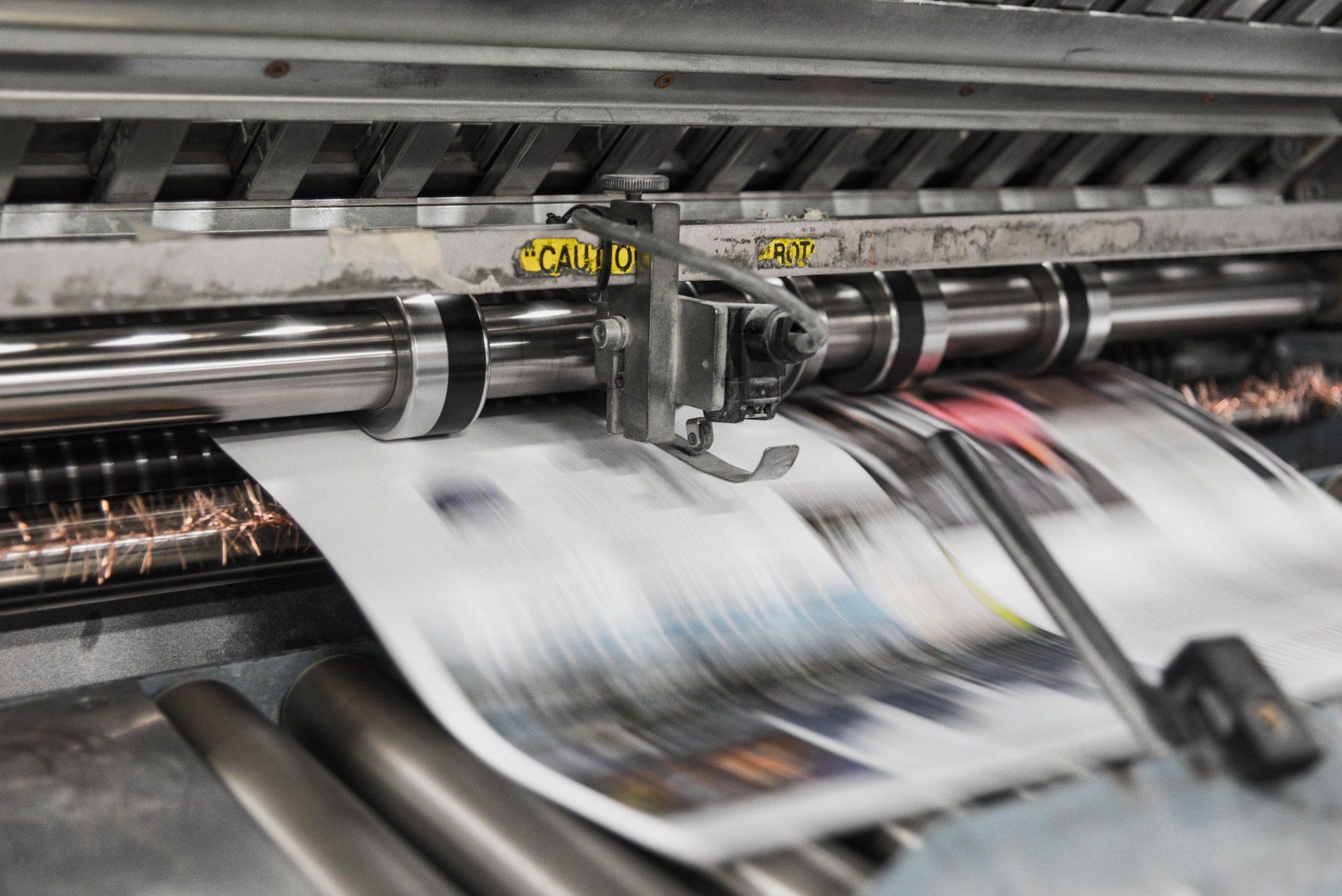
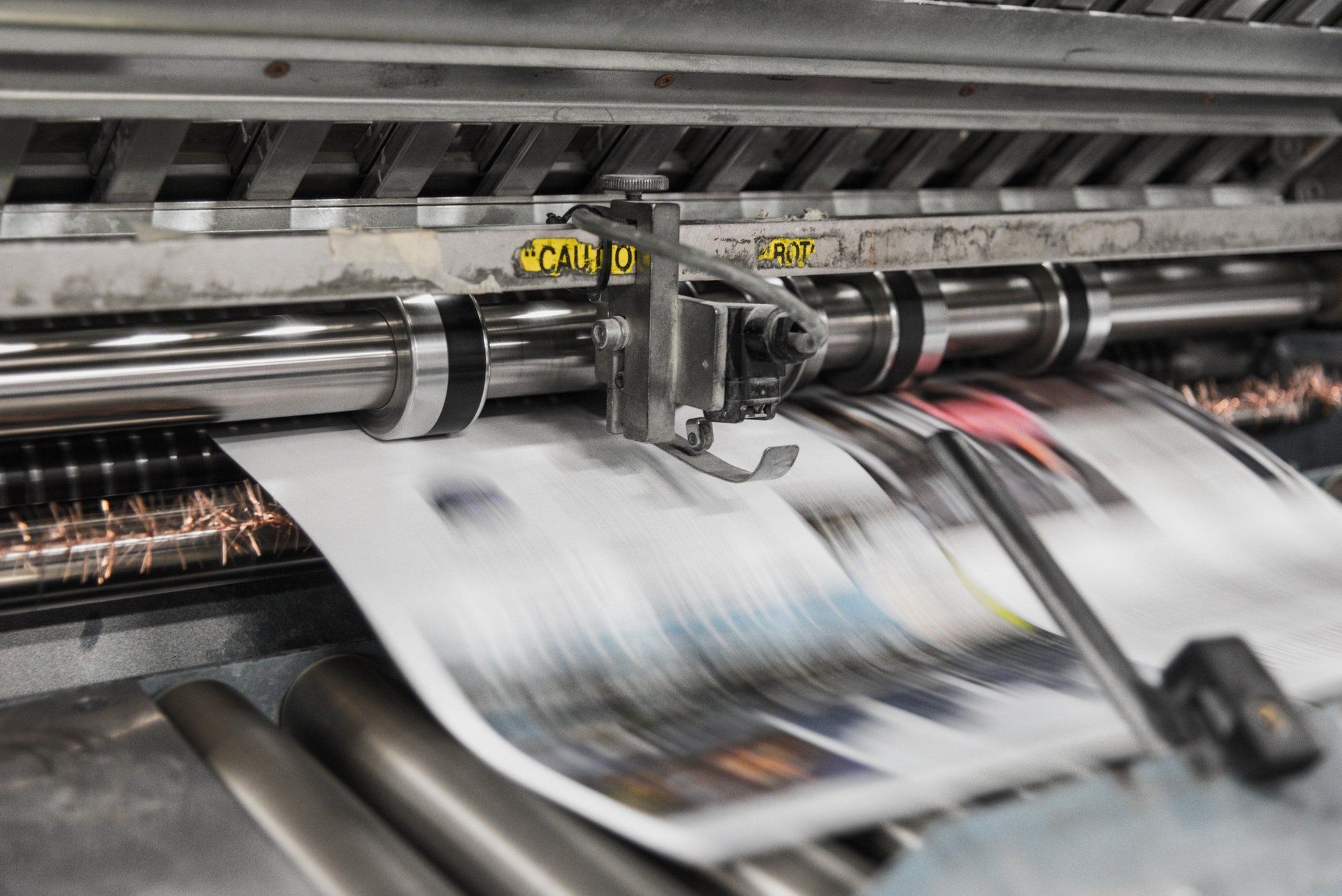
Offset printing, on the other hand, is a traditional method that's been refined over more than a century. It uses metal plates (typically aluminum) that are chemically treated to attract ink in specific areas. The inked image transfers—or 'offsets'—from the plate to a rubber blanket, then finally to the printing surface. This indirect printing process produces exceptionally consistent results across large print runs. While offset requires more upfront setup, including plate creation and press calibration, it delivers unmatched quality and cost-efficiency when printing thousands of pieces.
The choice between these technologies isn't just technical—it impacts your timeline, budget, and the final impression your marketing materials make. At Early Express, we maintain both digital and offset printing capabilities in-house, which means we can recommend the best method for your specific campaign goals, whether you're launching a targeted postcard series or producing thousands of brochures for a major promotion.
Cost Comparison: When Each Method Makes Financial Sense
Understanding the cost structure of digital versus offset printing is essential for maximizing your marketing budget. The financial equation changes dramatically based on your print volume, and choosing the wrong method can unnecessarily inflate your costs or compromise quality.
Digital printing shines for short runs and projects under 500-1,000 pieces. Because there are no plates to create or lengthy press setups required, you avoid substantial upfront costs. You're essentially paying per piece printed, making the cost structure straightforward and predictable. This makes digital printing perfect for testing new direct mail campaigns, producing materials for small events, or creating personalized mailers where each piece differs. For small business owners and nonprofits with limited budgets, digital printing provides access to professional-quality materials without minimum order requirements that strain resources.
Offset printing reverses this cost equation. The setup costs are higher—creating plates and calibrating the press represents a fixed investment regardless of quantity. However, once the press is running, each additional piece becomes remarkably inexpensive. The per-unit cost drops significantly as volume increases, making offset the clear winner for runs exceeding 1,000-2,000 pieces. For large-scale Every Door Direct Mail campaigns, bulk postcards, or catalogs distributed to extensive mailing lists, offset printing delivers superior value. The breakeven point where offset becomes more economical than digital typically occurs between 500-2,000 pieces, depending on the specific project details.
Smart marketers often use both methods strategically. You might test a new direct mail design with a small digital print run to measure response rates, then scale up with offset printing once you've validated the campaign's effectiveness. At Early Express, our in-house capabilities for both methods mean we can guide you to the most cost-effective solution for each stage of your marketing strategy, helping you stretch your budget further while maintaining the quality that drives results.
Quality, Color Accuracy, And Material Capabilities
The quality differences between digital and offset printing have narrowed considerably in recent years, but important distinctions remain that can impact how your brand appears in customers' hands. Understanding these nuances helps ensure your marketing materials create the professional impression you're aiming for.
Offset printing is still considered the gold standard for color consistency and accuracy, especially for large runs where every piece must match perfectly. The ink-on-paper application creates rich, vibrant colors with exceptional detail reproduction. Offset excels with Pantone color matching, making it the preferred choice when brand colors must be exact across thousands of pieces. The ink sits uniformly on the paper surface, producing professional results that work beautifully for high-end brochures, annual reports, and marketing materials where premium appearance matters. Offset also handles specialty inks like metallics and special finishes more effectively than digital.
Digital printing has made remarkable quality advances and now produces excellent results for most applications. Modern digital presses deliver sharp text, clean images, and good color reproduction that satisfies the vast majority of business printing needs. Where digital truly excels is in variable data printing—the ability to personalize each piece with different images, text, or offers without any quality degradation. This capability has transformed direct mail effectiveness, allowing you to create highly targeted campaigns that speak directly to each recipient. For business cards, flyers, postcards, and most direct mail pieces, digital quality meets professional standards while offering personalization advantages offset can't match.
Material versatility is another consideration. Offset printing works with an exceptionally wide range of paper stocks, weights, and specialty materials, giving you maximum creative flexibility. Digital printing has become increasingly versatile but may have some limitations with extremely thick stocks or specialty materials. However, for the standard materials used in most direct mail and marketing campaigns—from postcards to brochures—both methods produce professional results. At Early Express, our experienced design team can help you select the printing method and materials that best showcase your message while staying within budget, ensuring your marketing materials make the impact you need.
Turnaround Time And Project Volume Considerations
Timing can make or break a marketing campaign. Whether you're responding to a seasonal opportunity, supporting a time-sensitive promotion, or coordinating with an event, understanding how printing method affects your timeline is crucial for campaign success.
Digital printing offers unmatched speed for quick-turnaround projects. Without plates to create or extensive press setup, digital jobs can often be printed the same day or within 24-48 hours. This rapid turnaround makes digital the go-to choice for last-minute needs, event materials, trade show handouts, or responsive marketing campaigns that capitalize on current trends or opportunities. If you're a real estate agent who just won a new listing and wants to mail postcards to the neighborhood immediately, or a restaurant owner promoting a weekend special, digital printing gets your message into customers' hands fast. The ability to print on-demand also eliminates the need to store large quantities of materials that might become outdated.
Offset printing requires more time due to the setup process—creating plates, mixing custom inks, calibrating the press, and conducting quality checks before the full run begins. Typical turnaround times for offset projects range from several days to two weeks, depending on complexity and current production schedules. However, this time investment pays dividends for large-volume projects. Once set up, offset presses run efficiently, producing thousands of pieces per hour. For planned campaigns with adequate lead time—seasonal direct mail programs, annual fundraising appeals, or regular promotional mailings—offset printing delivers superior value without timeline constraints.
Volume considerations extend beyond just cost. Very small quantities (under 100 pieces) are almost always better suited for digital, while runs exceeding several thousand pieces favor offset. Mid-range volumes between 500-2,000 pieces occupy a sweet spot where either method might work, and the decision depends on other factors like personalization needs, color requirements, and timeline. At Early Express, we help businesses and nonprofits plan their marketing calendars to optimize both printing methods—using digital for responsive, personalized campaigns and offset for planned, high-volume mailings. This strategic approach ensures you're never choosing between speed and value, but rather selecting the right tool for each specific marketing objective.
Making The Right Choice For Your Direct Mail And Marketing Materials
Choosing between digital and offset printing doesn't have to be complicated when you understand your campaign goals and project requirements. The right decision balances quality, budget, timeline, and marketing objectives to maximize your return on investment.
Start by evaluating your specific project needs. Ask yourself: How many pieces do I need? What's my timeline? Does my mailing list require personalization, or will every piece be identical? What's my budget per piece? Do I need exact color matching for brand standards? For a targeted direct mail campaign to 300 real estate prospects with personalized property recommendations, digital printing is your best choice. For 5,000 identical postcards announcing your store's grand opening through Every Door Direct Mail, offset printing offers better value and quality. For fundraising appeals where each donor sees their name and personalized giving history, digital's variable data capabilities make it the clear winner regardless of quantity.
Consider your overall marketing strategy, not just individual projects. Many successful businesses use digital printing for testing new concepts, personalized outreach, and quick-response campaigns, while reserving offset printing for proven campaigns they're scaling up, seasonal promotions planned months in advance, and brand materials that need premium quality. This hybrid approach optimizes your marketing budget by matching method to purpose. The data from your digital test campaigns can inform larger offset runs, reducing risk while maintaining flexibility.
Integration with broader omni-channel marketing matters too. If you're running programmatic direct mail campaigns like SiteChaser that retarget website visitors, digital printing's quick turnaround ensures your mailers reach prospects while your brand is still top-of-mind. For coordinated campaigns combining direct mail with IP targeting digital ads, the timing and personalization flexibility of digital printing often proves invaluable. However, for broad awareness campaigns reaching entire postal routes or large mailing lists, offset printing's cost-efficiency allows you to reach more prospects with your budget.
At Early Express, we've been helping Dayton-area businesses and organizations navigate these decisions since 1977. Our in-house capabilities for both digital and offset printing mean we're never locked into recommending one method over another—we genuinely guide you to the solution that best serves your goals. Our experienced design team can optimize your artwork for either printing method, our data processing services ensure your mailing lists are accurate and targeted, and our automated direct mail solutions integrate seamlessly with both printing technologies. Whether you're a small business owner printing your first batch of business cards or a marketing director coordinating a multi-channel campaign, we provide the expertise and capabilities to make your marketing materials work harder for your business. The right printing choice isn't about which technology is 'better'—it's about which method delivers the best results for your specific needs, timeline, and budget.